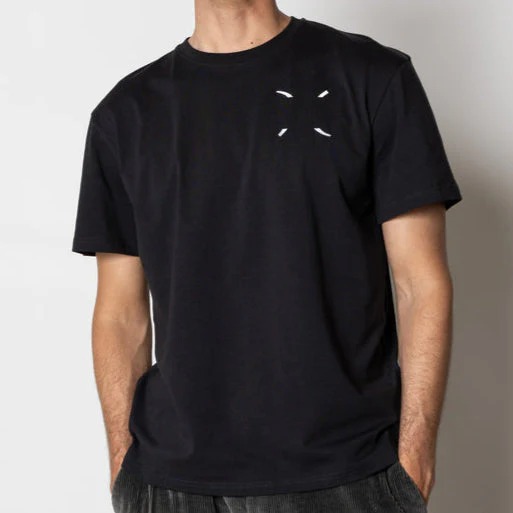
Finance and fashion might seem like two entirely separate worlds—one rooted in numbers, budgets, and investments, the other in creativity, design, and trends. However, when you look closer, the principles that govern smart financial decisions align closely with today’s evolving approach to personal style. Just as a wise investor chooses assets that appreciate over time, the modern consumer is learning to invest in wardrobe essentials like premium t-shirts, designer t-shirts for men, and luxury polo t-shirts that offer long-term value, durability, and timeless appeal.
In this article, we’ll explore the intersection of finance and fashion, why spending more on quality basics like men’s premium t-shirts can be a financially savvy decision, and how the Luxury at Less movement is helping consumers dress better without overspending.
The True Cost of Cheap Fashion
Fast fashion has flooded the market with inexpensive, trendy clothing, but what seems like a bargain up front often comes with hidden costs. Poor construction, low-quality materials, and rapid trend turnover mean that most of these garments don’t last more than a few wears or washes. The result? Consumers end up spending more over time to replace worn-out or outdated pieces.
From a financial standpoint, this is a textbook example of false economy—saving a little now only to spend more later. In contrast, investing in items like premium t-shirts or a luxury t-shirt for men means getting a product that lasts longer, retains its shape, and maintains its appeal through seasons and trends. Over time, cost per wear becomes significantly lower, making it a smarter financial decision.
Quality Over Quantity: A Value-Driven Mindset
In finance, one of the core principles is understanding value over price. The same is true in fashion. Paying $60 for a best quality t-shirt that lasts five years is more valuable than buying five $12 t-shirts that fall apart within months.
This philosophy is driving a growing movement toward curated, minimalist wardrobes—especially among men who value function, appearance, and smart spending. Essentials like men’s premium t-shirts and designer t-shirts for men are replacing bulk purchases of lesser-quality items. These pieces don’t just look better—they hold their value better, too.
When you consider the financial cost of waste (both environmental and monetary), the decision to invest in higher-quality apparel becomes even more logical.
Budgeting for Style: Building a Financial Plan for Your Wardrobe
Smart fashion choices begin with financial planning. Just as you might allocate funds for retirement savings, emergency funds, or investments, setting aside a wardrobe budget is an essential part of modern personal finance. The key difference is focusing on long-term use rather than impulse spending.
Creating a clothing budget that prioritizes essentials like premium t-shirts, luxury t-shirts for men, and luxury polo t-shirts can help prevent unnecessary purchases and keep spending aligned with your goals. Consider using a capsule wardrobe strategy—fewer, better pieces that mix and match effortlessly. Not only does this reduce financial waste, but it also streamlines your daily decisions and enhances your personal style.
Fashion as an Investment in Confidence
While fashion is not a traditional asset class, it can offer a different kind of return—confidence, self-esteem, and presentation. In business, perception matters. The way you dress can impact your professional image, networking opportunities, and even job performance. A crisp, well-fitting designer t-shirt for men or a stylish luxury t-shirt for men can communicate professionalism, attention to detail, and a sense of purpose.
This isn’t about vanity; it’s about presentation as part of your personal brand. Much like a polished resume or an organized portfolio, your appearance speaks volumes before you say a word. Investing in men’s premium t-shirts and elevated essentials helps ensure you’re always putting your best foot forward—financially and socially.
The Economics of “Luxury at Less”
The Luxury at Less movement has emerged as a powerful force in both fashion and finance. By cutting out middlemen, leveraging direct-to-consumer models, and focusing on ethical manufacturing, brands are now able to deliver high-quality products—such as luxury polo t-shirts and best quality t-shirts—at a fraction of traditional designer prices.
From a financial perspective, this is a game-changer. Consumers can now access premium clothing without paying inflated markups. The result is an economy that rewards smart buyers with lasting quality, fair pricing, and responsible sourcing.
Think of it like buying index funds instead of high-fee mutual funds—you’re getting the same, if not better, results without unnecessary overhead.
Sustainability and Financial Responsibility Go Hand-in-Hand
Sustainability isn’t just an environmental concern—it’s a financial one. The fashion industry is one of the largest contributors to global waste, and every discarded item represents wasted resources and money. By choosing high-quality garments that are built to last, you’re not only helping the planet but also maximizing your financial investment.
This is especially true for essentials like premium t-shirts, which are worn more frequently than trend items. A well-made luxury t-shirt for men can withstand hundreds of washes, making it a better use of your money over time. Additionally, supporting sustainable fashion encourages brands to adopt practices that reduce overproduction, environmental harm, and labor exploitation—aligning your wardrobe choices with ethical financial habits.
Depreciation vs. Wearability: Rethinking Clothing Purchases
In finance, assets that depreciate quickly (like cars) are often considered poor investments. The same can be applied to clothing. Trendy, seasonal items lose their appeal fast and often sit unused in closets. On the other hand, timeless pieces like men’s premium t-shirts or luxury polo t-shirts remain wearable year after year.
By focusing on items with long-term wearability and aesthetic appeal, you’re reducing the rate at which your clothing “depreciates.” You’re getting maximum return on investment—not just in terms of money, but also time, style consistency, and wardrobe cohesion.
Taxing Trends: Avoiding the Financial Pitfalls of Fashion FOMO
Fashion’s fast-paced nature can trigger Fear of Missing Out (FOMO), leading consumers to overspend on the latest looks, only to regret it later. This behavior mirrors emotional investing—buying high out of panic or excitement, and selling low in disappointment.
Smart fashion decisions, like smart investing, come from discipline and long-term thinking. Stick to classics like designer t-shirts for men, prioritize essentials, and avoid overcommitting to trends. This reduces buyer’s remorse and keeps your budget on track.
Practical Tips for Financially Smart Fashion
- Set a Wardrobe Budget – Just like saving for a big purchase, allocate funds for clothing based on need, not impulse.
- Track Cost Per Wear – A $70 best quality t-shirt worn 50 times costs $1.40 per wear, far less than a $20 tee worn twice.
- Shop Off-Season or Direct-to-Consumer – Take advantage of Luxury at Less brands that offer designer quality without designer pricing.
- Prioritize Fit and Fabric – Clothes that fit well and feel good get worn more, increasing their value.
- Invest in Staples First – Build your wardrobe around essential items like premium t-shirts and luxury polo t-shirts, then layer in style as needed.
Conclusion: Financial Intelligence Meets Fashion Insight
Fashion and finance are more closely related than they first appear. Both require careful planning, an eye for value, and a willingness to invest in things that offer meaningful returns. As consumers become more educated and intentional, the demand for quality over quantity continues to grow.
The rise of essentials like premium t-shirts, luxury t-shirts for men, and the popularity of Luxury at Less brands prove that people are thinking differently about how they spend—on everything from retirement plans to wardrobe essentials.
In a world where trends change quickly, financial and fashion stability comes from choosing timeless, high-quality items that last. A great designer t-shirt for men might not be a stock or a bond, but when worn with confidence, it’s an investment in your image, your values, and your future.
And that, in both finance and fashion, is always in style.


